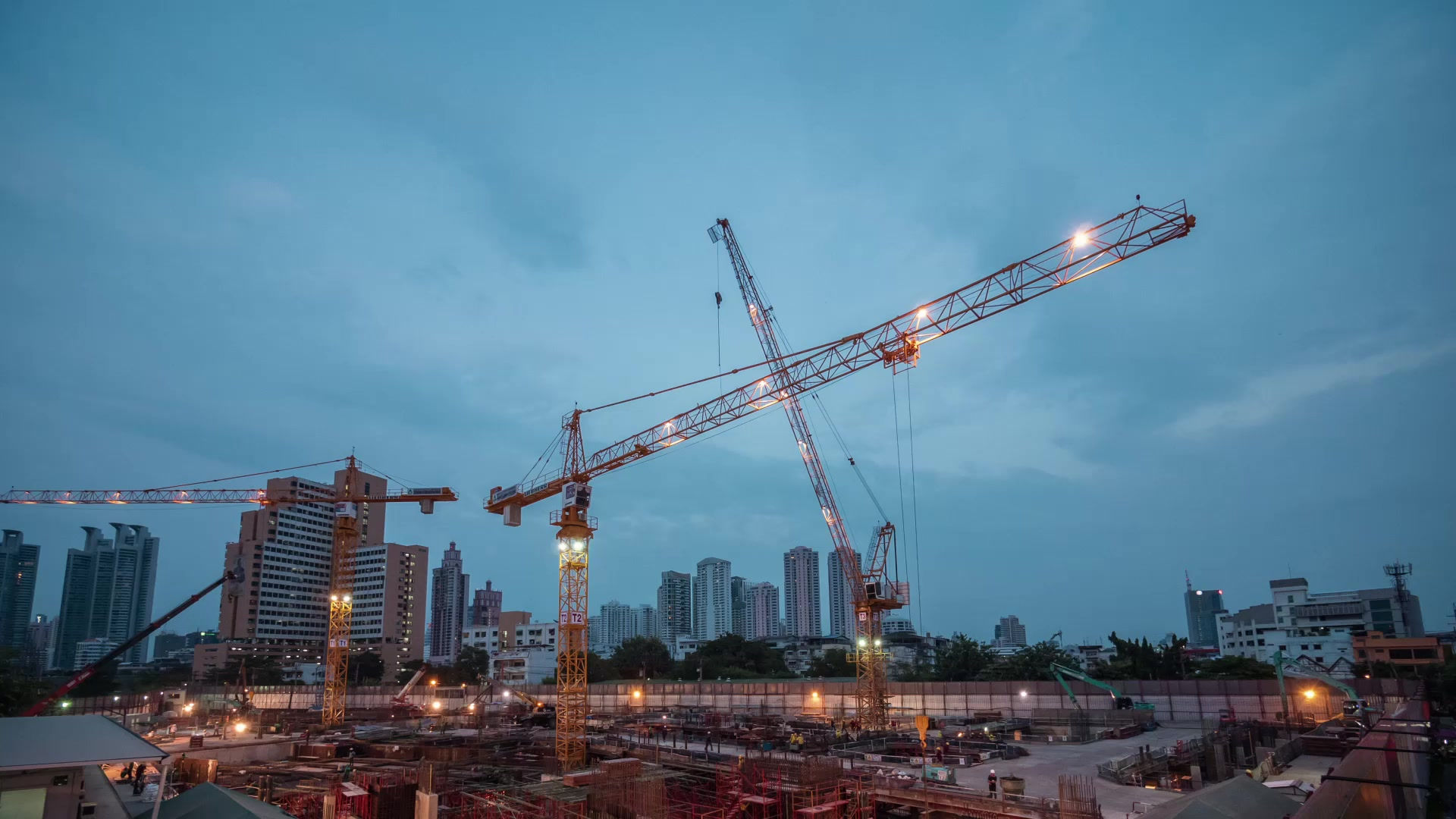

Innovative Civil Engineering Techniques for Modern Projects
Civil engineering is a field that constantly evolves. As we face new challenges, innovative techniques emerge to meet the demands of modern projects. From sustainable practices to advanced technology, these innovations are reshaping the landscape of civil engineering. In this blog post, we will explore some of the most exciting techniques that are making waves in the industry today.
1. Sustainable Materials
Sustainability is at the forefront of modern civil engineering. Engineers are increasingly using sustainable materials to reduce the environmental impact of their projects.
One example is the use of recycled concrete aggregate (RCA). This material is made from crushed concrete debris, which can be reused in new construction. By using RCA, engineers can significantly reduce waste and lower the carbon footprint of their projects.
Another innovative material is bamboo. Known for its strength and flexibility, bamboo is a renewable resource that can be used in various applications, from structural supports to decorative elements.
2. 3D Printing in Construction
3D printing is revolutionizing the construction industry. This technology allows engineers to create complex structures quickly and efficiently.
For instance, in 2018, a 3D-printed bridge was completed in the Netherlands. This bridge was made using a robotic arm that extruded concrete layer by layer. The result was a unique, lightweight structure that was both functional and aesthetically pleasing.
3D printing also reduces material waste. Traditional construction methods often result in excess materials, but with 3D printing, only the necessary amount is used. This not only saves money but also benefits the environment.
3. Smart Infrastructure
The rise of smart technology is transforming civil engineering. Smart infrastructure uses sensors and data analytics to improve the performance and safety of structures.
For example, some bridges are now equipped with sensors that monitor stress and strain in real-time. This data can help engineers identify potential issues before they become serious problems.
Additionally, smart traffic management systems can optimize traffic flow and reduce congestion. By using real-time data, these systems can adjust traffic signals and provide drivers with the best routes.
4. Modular Construction
Modular construction is another innovative technique gaining popularity. This method involves prefabricating building components off-site and then assembling them on-site.
One of the main advantages of modular construction is speed. Since components are built in a controlled environment, construction time is significantly reduced. For example, a modular hotel in New York was completed in just 90 days, compared to the typical 12 months for traditional construction.
Modular construction also allows for greater flexibility. Buildings can be easily expanded or modified as needs change. This adaptability is especially valuable in urban areas where space is limited.
5. Geotechnical Engineering Innovations
Geotechnical engineering plays a crucial role in civil engineering projects. Recent innovations in this field are improving the stability and safety of structures.
One such innovation is the use of ground improvement techniques. These methods enhance the properties of soil, making it more suitable for construction. For example, soil mixing involves blending cement with soil to create a stronger foundation.
Another exciting development is the use of geosynthetics. These synthetic materials can reinforce soil and improve drainage. They are often used in retaining walls and road construction to enhance stability and reduce erosion.
6. Drones in Surveying
Drones are becoming essential tools in civil engineering. They provide a bird's-eye view of construction sites, making surveying faster and more accurate.
Using drones, engineers can create detailed topographic maps and 3D models of sites. This information is invaluable for planning and design.
Moreover, drones can monitor construction progress and ensure that projects stay on schedule. They can quickly identify any issues that may arise, allowing for timely interventions.
7. Advanced Project Management Software
Effective project management is critical in civil engineering. Advanced software solutions are helping teams collaborate more efficiently and streamline workflows.
For instance, Building Information Modeling (BIM) allows engineers to create digital representations of projects. This technology enables better visualization and coordination among team members.
Additionally, project management software can track budgets, timelines, and resources in real-time. This transparency helps teams make informed decisions and stay on track.
8. Green Roofs and Living Walls
Green roofs and living walls are innovative techniques that promote sustainability in urban environments. These features not only enhance the aesthetic appeal of buildings but also provide numerous environmental benefits.
Green roofs can reduce heat absorption, improve air quality, and manage stormwater runoff. They also provide insulation, which can lower energy costs.
Living walls, or vertical gardens, can improve biodiversity in urban areas. They create habitats for birds and insects while also enhancing the overall beauty of a space.
9. Resilient Design
As climate change continues to impact our world, resilient design is becoming increasingly important. This approach focuses on creating structures that can withstand extreme weather events and natural disasters.
For example, engineers are designing buildings with elevated foundations to protect against flooding. Additionally, materials that can resist high winds and seismic activity are being used in construction.
Resilient design not only protects lives but also reduces repair costs and downtime after disasters.
10. Conclusion: Embracing the Future of Civil Engineering
The future of civil engineering is bright, thanks to these innovative techniques. As we continue to face new challenges, the industry will adapt and evolve.
By embracing sustainable practices, advanced technology, and creative design, civil engineers are paving the way for a better tomorrow. The techniques discussed in this post are just a glimpse of what is possible.
As we move forward, it is essential to stay informed and open to new ideas. The world of civil engineering is changing rapidly, and those who embrace innovation will lead the way.


Comments