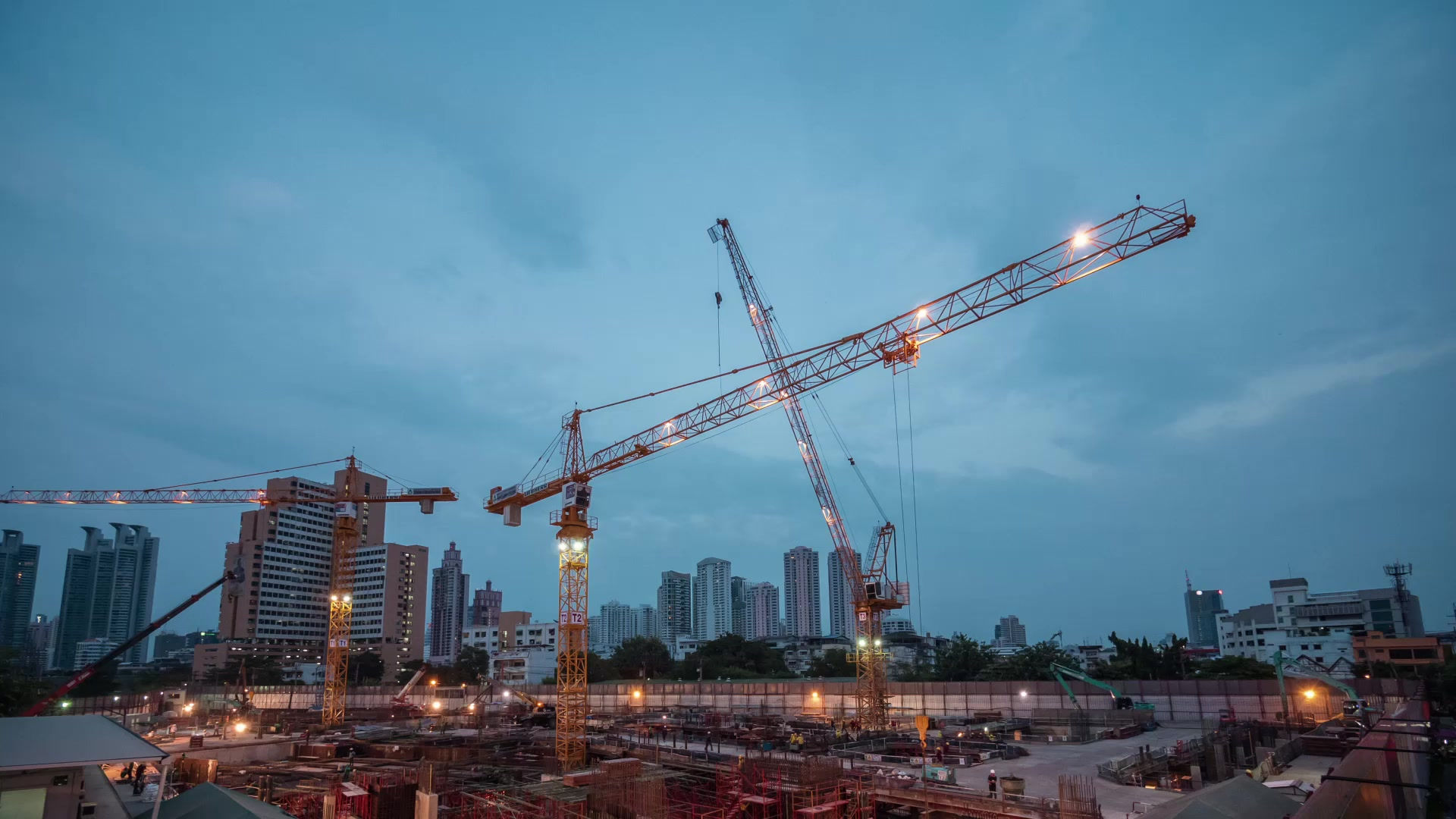

Sustainable Practices in Civil Engineering: A Guide
In today's world, sustainability is more than just a buzzword. It is a necessity. As we face climate change and resource depletion, civil engineering plays a crucial role in creating a sustainable future. This guide will explore various sustainable practices in civil engineering, offering insights and examples that can help engineers, architects, and builders make informed decisions.
Sustainable civil engineering focuses on minimizing environmental impact while maximizing efficiency and safety. It involves using materials and methods that are eco-friendly and economically viable. By adopting these practices, we can build structures that not only serve their purpose but also protect our planet.
Understanding Sustainable Civil Engineering
Sustainable civil engineering is about creating structures that are environmentally responsible. This means considering the entire lifecycle of a project, from design to demolition.
Key principles include:
Resource Efficiency: Using materials wisely to reduce waste.
Energy Efficiency: Designing buildings that consume less energy.
Water Conservation: Implementing systems that minimize water use.
Sustainable Materials: Choosing materials that are renewable or recycled.
By focusing on these principles, civil engineers can create projects that are not only functional but also beneficial to the environment.
The Importance of Sustainable Practices
Why should civil engineers care about sustainability? The answer is simple: the future of our planet depends on it.
Here are some reasons why sustainable practices are essential:
Environmental Protection: Reducing pollution and conserving natural resources helps protect ecosystems.
Economic Benefits: Sustainable projects can save money in the long run through energy efficiency and reduced waste.
Social Responsibility: Engineers have a duty to create safe and healthy environments for communities.
By embracing sustainable practices, civil engineers can contribute to a healthier planet and a better quality of life for everyone.
Sustainable Design Principles
When it comes to sustainable design, there are several key principles that engineers should consider:
1. Life Cycle Assessment (LCA)
Life Cycle Assessment is a method used to evaluate the environmental impact of a project throughout its entire lifecycle. This includes:
Raw Material Extraction: Assessing the impact of sourcing materials.
Manufacturing: Evaluating energy use and emissions during production.
Construction: Analyzing waste generated during building.
Operation: Considering energy and water use during the building's life.
End-of-Life: Planning for recycling or disposal.
By conducting an LCA, engineers can make informed decisions that minimize environmental impact.
2. Passive Design Strategies
Passive design strategies focus on maximizing natural resources to reduce energy consumption. Some effective strategies include:
Orientation: Positioning buildings to take advantage of sunlight for heating and lighting.
Natural Ventilation: Designing spaces that promote airflow, reducing the need for air conditioning.
Insulation: Using high-quality insulation to maintain comfortable indoor temperatures.
These strategies can significantly reduce energy use and enhance occupant comfort.
3. Green Materials
Choosing sustainable materials is crucial for reducing a project's environmental footprint. Some examples of green materials include:
Recycled Steel: Using recycled steel reduces the need for new materials and lowers energy consumption.
Bamboo: A fast-growing, renewable resource that can replace traditional wood.
Reclaimed Wood: Salvaging wood from old buildings reduces waste and adds character to new projects.
By selecting green materials, engineers can contribute to a more sustainable construction industry.
Innovative Technologies in Sustainable Engineering
Technology plays a vital role in advancing sustainable practices in civil engineering. Here are some innovative technologies that are making a difference:
1. Building Information Modeling (BIM)
Building Information Modeling is a digital tool that allows engineers to create detailed 3D models of projects. BIM helps in:
Collaboration: Teams can work together more effectively, reducing errors and rework.
Efficiency: Identifying potential issues before construction begins saves time and resources.
Sustainability: BIM can analyze energy use and material efficiency, helping engineers make better choices.
2. Renewable Energy Integration
Integrating renewable energy sources into building designs is becoming increasingly common. Some options include:
Solar Panels: Harnessing sunlight to generate electricity.
Wind Turbines: Using wind energy to power buildings.
Geothermal Systems: Utilizing the earth's heat for heating and cooling.
These technologies not only reduce reliance on fossil fuels but also lower operating costs.
3. Smart Building Technologies
Smart building technologies enhance energy efficiency and occupant comfort. Examples include:
Automated Lighting: Sensors that adjust lighting based on occupancy and natural light levels.
Smart Thermostats: Devices that learn user preferences and optimize heating and cooling.
Water Management Systems: Technologies that monitor and reduce water usage.
By implementing smart technologies, engineers can create buildings that are more efficient and responsive to user needs.
Case Studies of Sustainable Civil Engineering
To illustrate the impact of sustainable practices, let's look at a few successful case studies.
1. The Bullitt Center, Seattle
The Bullitt Center is often referred to as the greenest commercial building in the world. Key features include:
Net-Zero Energy: The building produces as much energy as it consumes through solar panels.
Rainwater Harvesting: A system that collects and uses rainwater for all non-potable needs.
Sustainable Materials: The building was constructed using locally sourced and recycled materials.
This project demonstrates how sustainable design can lead to significant environmental benefits.
2. Bosco Verticale, Milan
Bosco Verticale, or "Vertical Forest," is a pair of residential towers covered in trees and plants. Key highlights include:
Biodiversity: The towers host over 9,000 trees, improving air quality and providing habitats for wildlife.
Energy Efficiency: The vegetation helps insulate the buildings, reducing energy consumption.
Aesthetic Appeal: The design enhances the urban landscape, making it more attractive.
This project showcases how integrating nature into urban design can create a healthier environment.
Challenges in Implementing Sustainable Practices
While the benefits of sustainable practices are clear, there are challenges to overcome. Some common obstacles include:
Cost: Sustainable materials and technologies can have higher upfront costs, which may deter some projects.
Regulations: Navigating building codes and regulations can be complex, especially for innovative designs.
Awareness: Not all stakeholders understand the importance of sustainability, which can hinder progress.
Addressing these challenges requires collaboration among engineers, architects, policymakers, and the community.
The Future of Sustainable Civil Engineering
The future of civil engineering is bright, with sustainability at its core. As technology advances and awareness grows, we can expect to see more innovative solutions that prioritize the environment.
Key trends to watch include:
Increased Use of AI: Artificial intelligence will play a role in optimizing designs and improving efficiency.
Circular Economy: A shift towards reusing materials and reducing waste will become more prevalent.
Resilient Design: Engineers will focus on creating structures that can withstand climate change impacts.
By embracing these trends, civil engineers can lead the way toward a more sustainable future.
Building a Sustainable Tomorrow
Sustainable practices in civil engineering are not just a trend; they are essential for the health of our planet and future generations. By adopting innovative technologies, sustainable materials, and efficient design principles, engineers can create structures that benefit both people and the environment.
As we move forward, it is crucial for all stakeholders to collaborate and prioritize sustainability in every project. Together, we can build a better, greener world for everyone.


Comments